

The short answer
Keep photographs and video from before you cleared up, the date and time you found the leak, what caused it, any plumber's report or invoice, a list of damaged items with receipts where you have them, your insurer's claim reference, a note of every conversation, and any moisture or drying reports. Keep it all in one place, in date order.
Start a single folder — that is the whole trick
One folder on your phone or computer, named with the date, holding everything. Photographs, PDFs, screenshots of texts, scans of invoices. The reason people struggle later is not that they lost documents, it is that the documents are spread across five apps and two people's phones.
Photographs and video
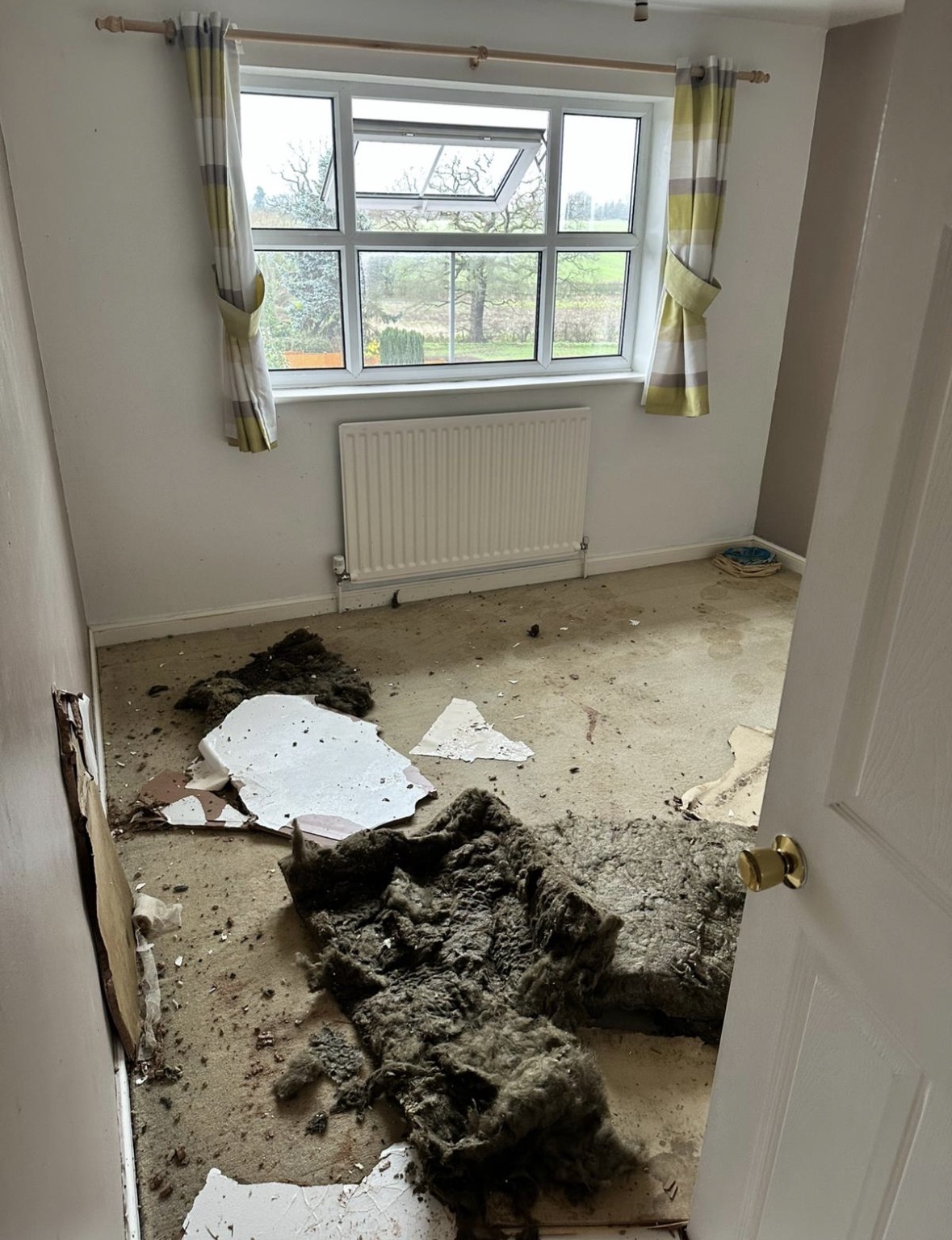
- Wide shots of every affected room, taken before anything is moved or cleared
- Close-ups of the source — the split pipe, the failed hose, the leaking joint — if you can see it
- Damaged possessions individually, with any labels or serial numbers visible
- A slow walkthrough video, narrating what you are looking at
- Follow-up photographs as things progress, including any strip-out and the drying equipment in place
Photographs taken on a phone carry their own date, which is helpful. Do not crop or edit the originals — keep them as they are and copy anything you need to annotate.
Dates and the sequence of events
Write down the date and approximate time you discovered the leak, when the water was turned off, and when each person attended. If you have any idea when the leak began — a rising water bill, a stain that had been there a while — note that too, factually.
The cause, in writing
If a plumber attends, ask for an invoice or short report that describes what failed and what was done. This is one of the most useful documents in the whole folder, and it is much easier to get on the day than three weeks later.
Damaged items and costs
For each damaged item
- What it is, including make and model where relevant
- Roughly when and where you bought it
- What it cost, with a receipt or bank statement line if you have one
- A photograph of the item as damaged
- Whether it has been disposed of, and when — keep items until you are told otherwise
Also keep receipts for anything you spend as a direct result: emergency plumbing, a dehumidifier, temporary accommodation, laundry, a replacement kettle. Whether these are recoverable is a matter for your insurer, but you cannot claim what you cannot evidence.
Insurance and correspondence
- Your policy number and the claim reference once it is issued
- The name of anyone you speak to, the date, and a one-line summary of what was said
- Emails and letters from the insurer, loss adjuster or claims handler
- Any documents you are asked to sign, kept as copies
- Names and contact details of every contractor who attends
A short dated note after each phone call takes thirty seconds and is worth a great deal if there is later any confusion about what was agreed.
Moisture and drying records
Where drying is carried out professionally, keep the assessment findings, the readings taken during the programme and any progress or completion information. These records describe what was found and what was done, which is useful both for the claim file and for your own peace of mind if a question comes up later.
My HomeDry can provide drying documentation where appropriate. We do not determine liability, policy coverage or claim settlement — those decisions rest with the insurer.
Works completed
Finally, keep a record of what was repaired or replaced and by whom, with invoices and any guarantees. If you sell the property in future, being able to show that water damage was properly assessed, dried and repaired is a genuine advantage.
A simple timeline you can copy
Water damage record
- Date and time leak discovered
- Cause, as far as known
- Water isolated — date, time, by whom
- Photographs and video taken — date
- Insurer notified — date, reference, who you spoke to
- Plumber attended — date, company, invoice held
- Electrician attended, if applicable — date, outcome
- Moisture assessment carried out — date, by whom
- Drying equipment installed — date
- Monitoring visits — dates and readings
- Drying completed — date
- Repairs and redecoration — dates, contractors, invoices
- Claim settled or closed — date
What not to do
- Do not dispose of damaged items before your insurer has confirmed their position.
- Do not rely on memory for dates and names.
- Do not delete photographs to free up phone storage.
- Do not sign anything you have not read or kept a copy of.
Common questions
How My HomeDry can help
Related guides
- Does home insurance cover escape of water?What 'escape of water' usually means on a UK policy, what tends to be covered, and what to have ready before you call your insurer.
- What to do after a burst pipeA calm, practical order of actions for the first hour — stopping the water, staying safe and recording what happened.
- What actually happens during structural drying?The full process explained step by step — inspection, assessment, extraction, equipment, monitoring and completion.
This guide provides general property water-damage information from My HomeDry. Individual circumstances differ, and it is not financial, legal or insurance advice. Where an insurance claim is involved, decisions on liability, policy coverage and settlement rest with the insurer under the terms of the individual policy.