

Structural drying across the West Midlands
Once the water has been stopped and extracted, the building itself is still wet. Structural drying is the monitored removal of that absorbed moisture from plaster, screed, concrete, timber, insulation and the cavities between them — recorded with meter readings so the end point can be demonstrated rather than assumed.
My HomeDry works from Sutton Coldfield and considers residential, commercial, managed-property and insurance-related drying instructions across the West Midlands and the wider East Midlands.
How the work runs
Survey first, then a drying programme that is measured
Drying equipment on its own is not a drying programme. What matters is knowing which materials are wet, how deeply, and whether the readings are moving. Everything below is driven by comparative readings taken in the property.
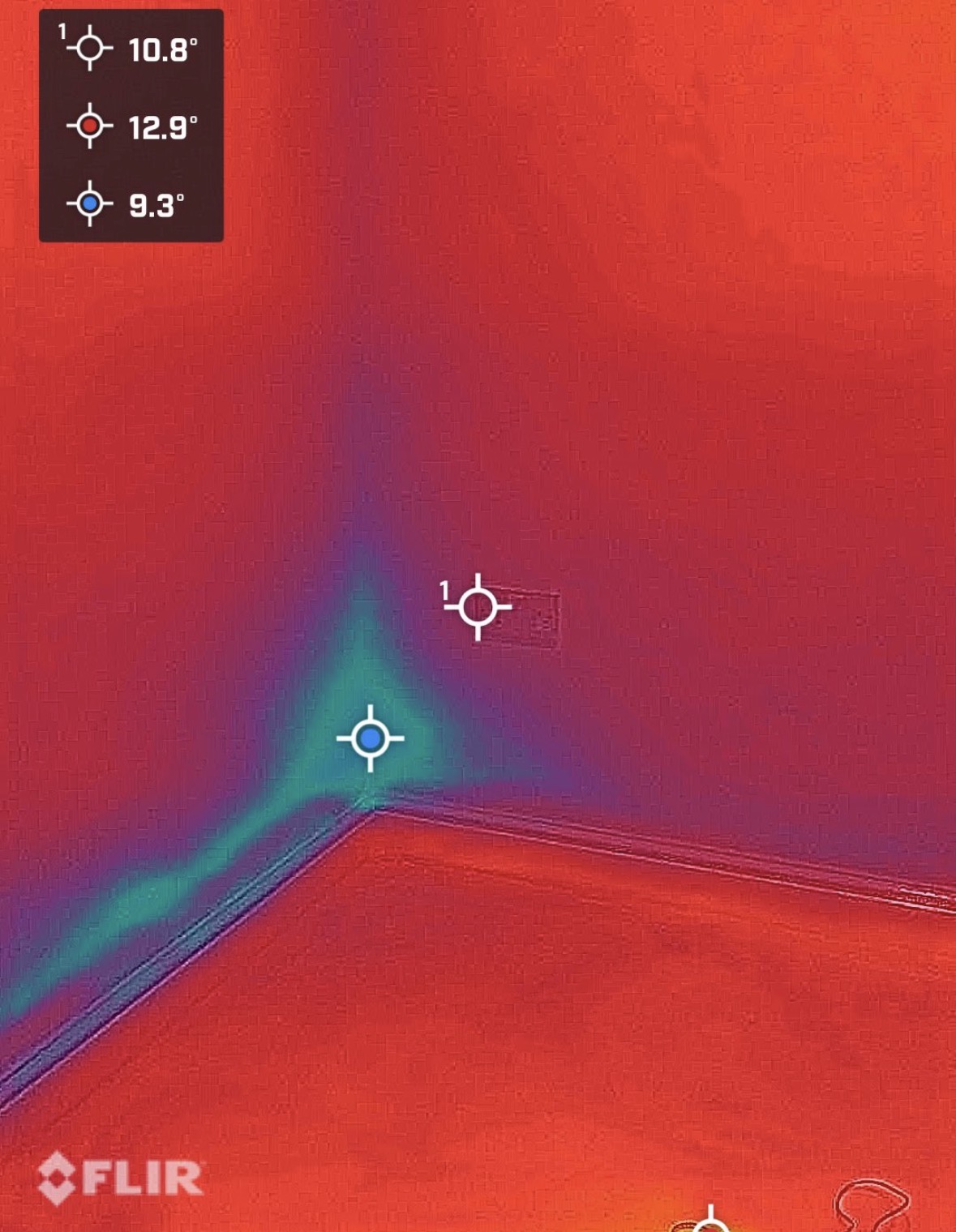
Survey and moisture mapping
Meter readings, comparative readings between wet and unaffected areas, and thermal imaging where it is useful. The survey establishes what is actually wet rather than what looks wet.
Access and material decisions
Some constructions dry in place. Others need controlled access — lifting a section of floor covering, drilling a cavity, or removing material that cannot be saved. Those decisions are taken from the readings, not by default.
Drying programme
Dehumidification and air movement matched to the affected materials, the building and the environment, with specialist equipment used where drying is targeted into a floor void or wall cavity.
Monitoring and completion
Readings are repeated as the programme runs so progress can be seen. Drying is completed when readings across the affected materials are consistent with comparable unaffected areas of the same property.
Not sure whether the building is actually dry?
Call with the postcode, the source of water and the areas affected — it can be talked through first.
Materials and constructions
Drying by what is actually wet
Different materials release water at very different rates. These pages explain how each is approached and what tends to go wrong when a drying programme is stopped too early.
Concrete Floor Drying
Dense, slow-releasing slabs where surface readings alone can be misleading.
View Concrete Floor Drying detailsScreed Drying After Water Damage
Sand-cement and flowing screeds, often over insulation or heating pipework.
View Screed Drying After Water Damage detailsTimber Floor Drying
Boards, joists and engineered floors, where drying rate matters as much as end point.
View Timber Floor Drying detailsPlaster and Plasterboard Drying
Wall linings, skim, and the plasterboard behind kitchen and bathroom fittings.
View Plaster and Plasterboard Drying detailsUnderfloor and Subfloor Drying
Voids, insulation and sub-floor spaces that hold water out of sight.
View Underfloor and Subfloor Drying detailsBasement and Cellar Water Damage Drying
Below-ground rooms with limited natural drying and ongoing moisture load.
View Basement and Cellar Water Damage Drying detailsWhere structural drying fits
Most instructions start as something else — an escape of water, a burst pipe, a ceiling leak or a failed appliance. Once the source is stopped and standing water has been removed, the remaining question is the building fabric, and that is where structural drying begins.
Where the incident is being claimed, the same readings that control the drying programme also form the evidence for the claim file. Where repairs are needed afterwards, reinstatement is planned around the completion readings rather than a calendar date.
Structural drying questions
Where My HomeDry works
My HomeDry is based in Sutton Coldfield and provides specialist water damage restoration and structural drying primarily across the West Midlands. Commercial, managed-property and insurance-related instructions are also considered more widely across the Midlands. Attendance depends on the property location, incident requirements and current operational capacity.
Talk through the drying with My HomeDry
Call with the property postcode, what happened and which rooms are affected. If a survey is the right next step, that is arranged; if it is not, you will be told that too.
Proof of work
Recent structural drying projects
Examples of surveyed, monitored and documented structural drying work.
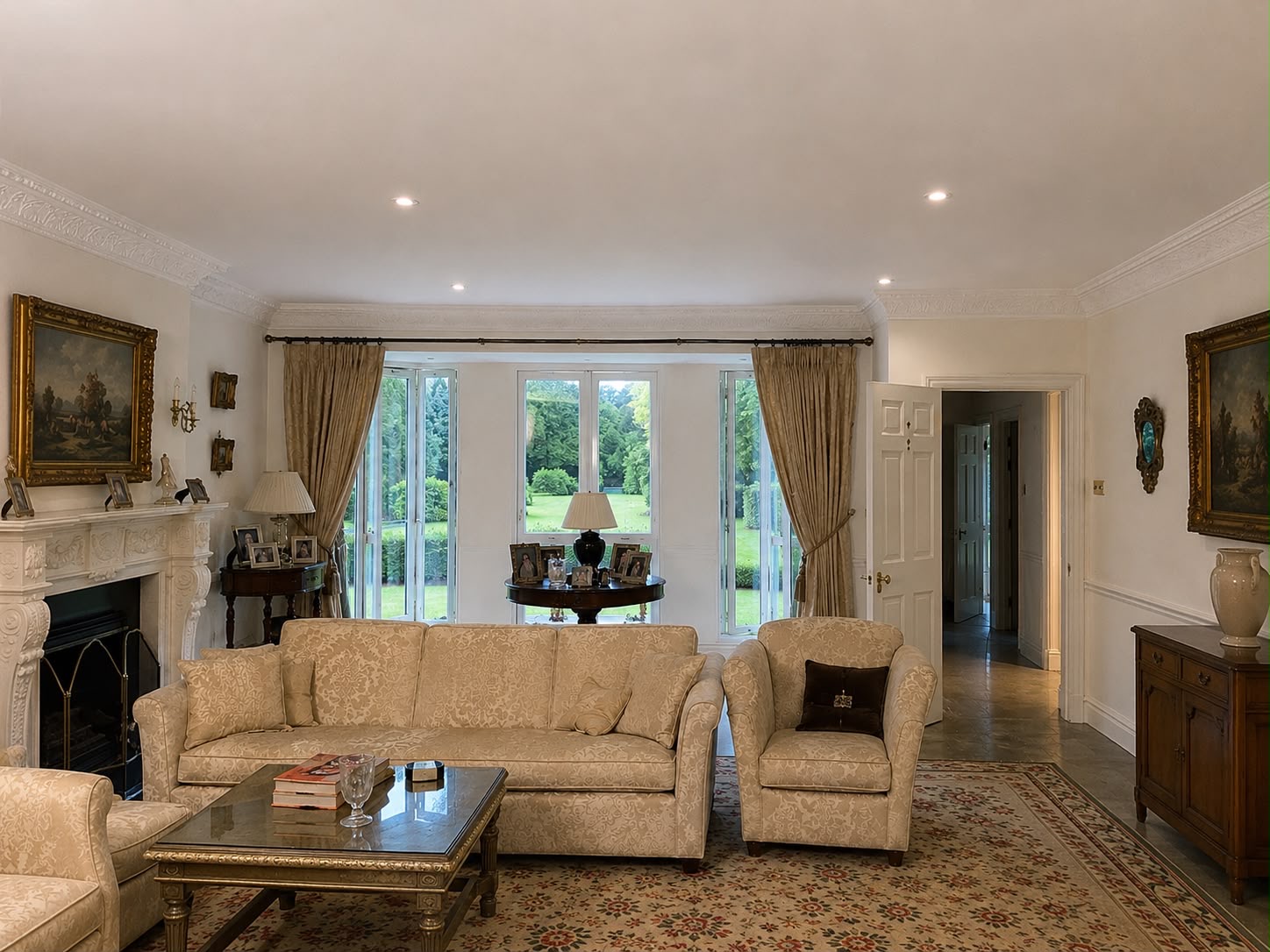
Escape of Water (EOW)
Escape of Water Restoration — Large Country Residence
A concealed ceiling-void leak in a substantial detached country home. Full moisture survey, controlled structural drying and reinstatement returned the principal living room to its pre-loss condition.
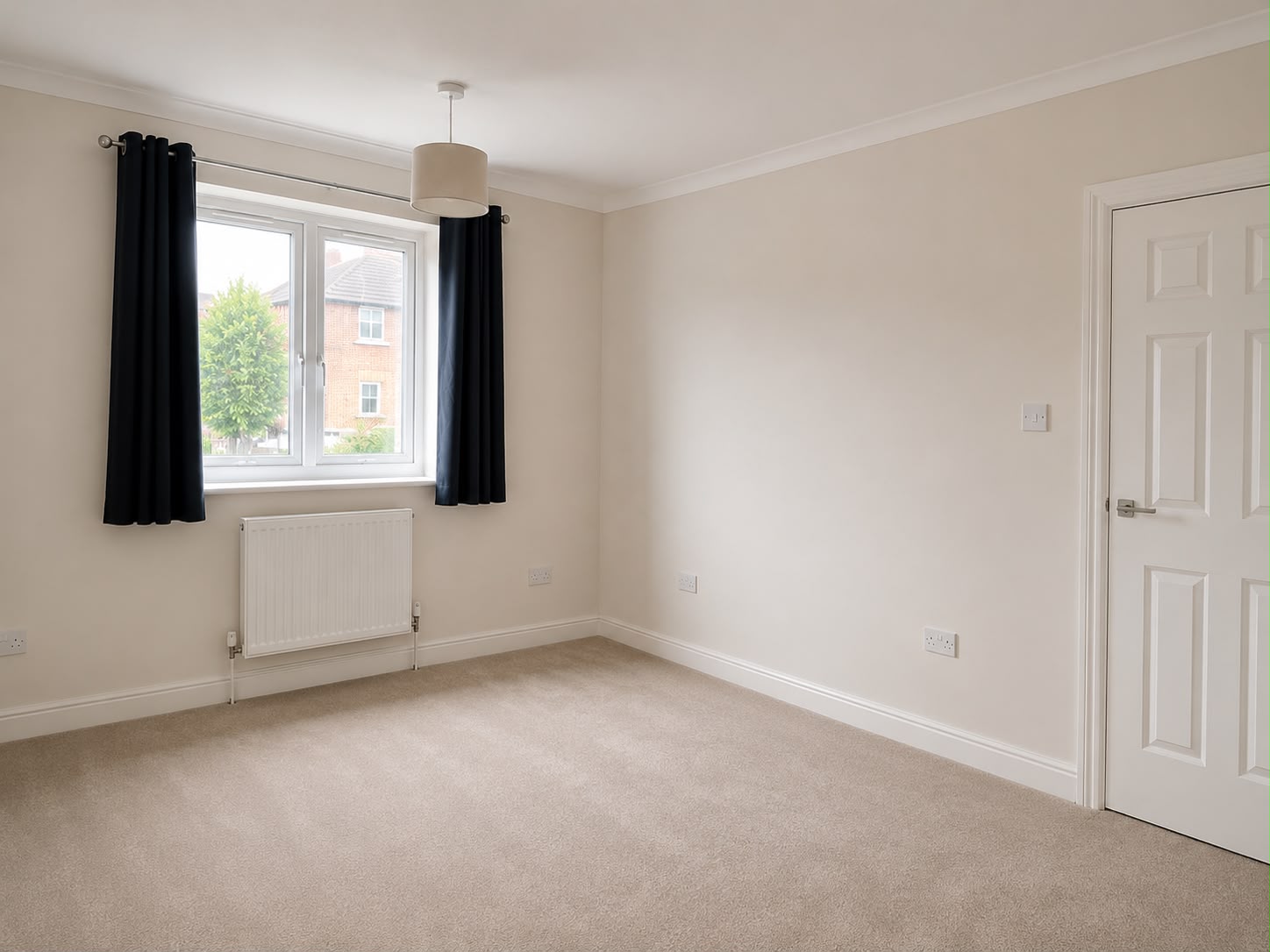
Escape of Water (EOW)
Escape of Water Restoration — Residential Bedroom
A concealed escape of water above a first-floor bedroom ceiling. Structural drying and full reinstatement returned the room to its pre-loss condition with no visible evidence of the loss.
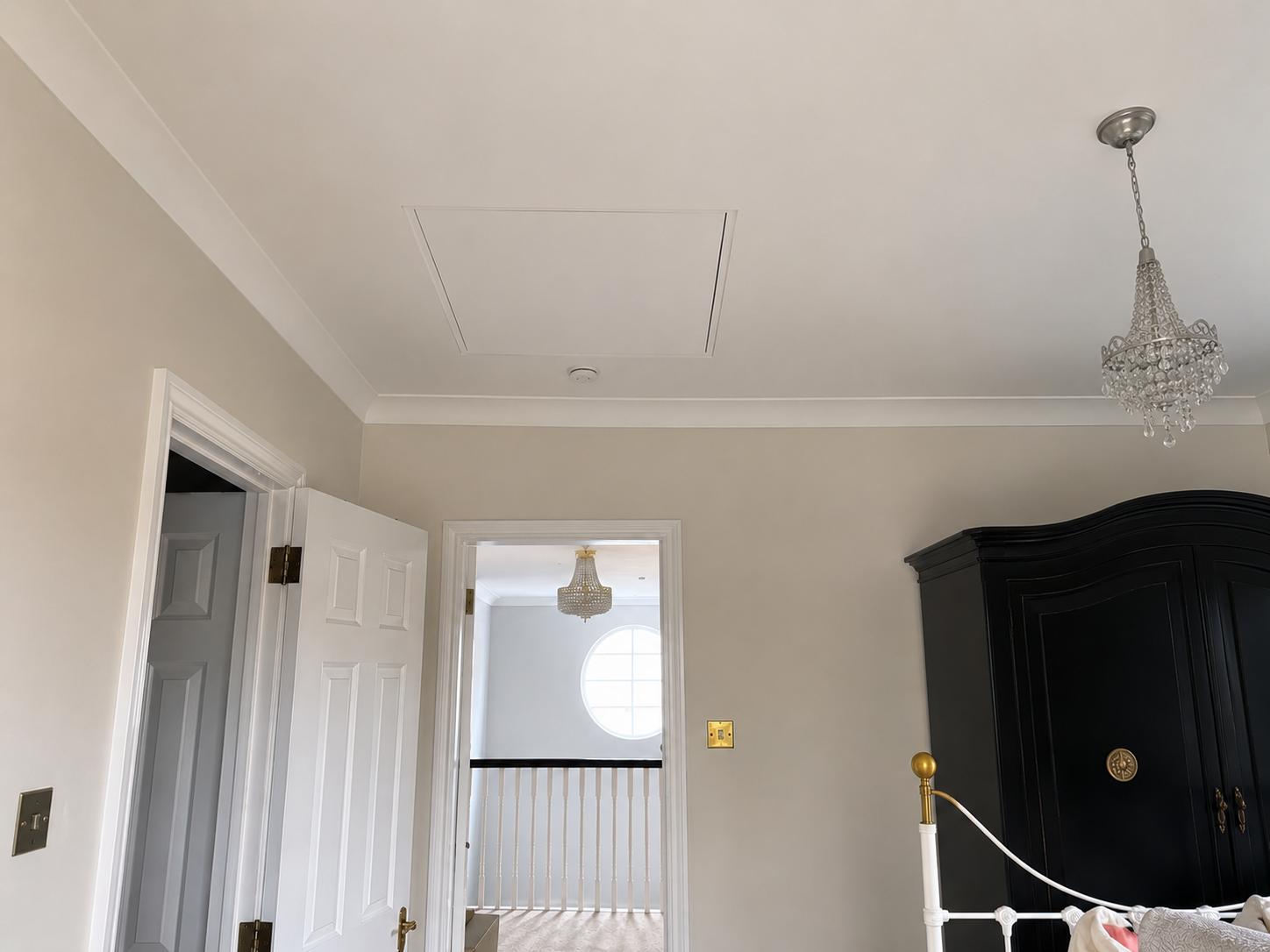
Escape of Water (EOW)
Winter Loft Pipe Failure — Bedroom Structural Drying
A frozen loft pipe failed while the family was away, saturating insulation and collapsing part of the bedroom ceiling below. My HomeDry dried, reboarded, plastered and redecorated the room in full.