

The short answer
Most UK home insurance policies include cover for damage caused by a sudden escape of water from plumbing, heating or appliances — but cover varies between policies, and only your insurer can confirm what yours includes. Policies commonly cover the resulting damage rather than repairing the failed pipe or appliance itself, and an excess normally applies.
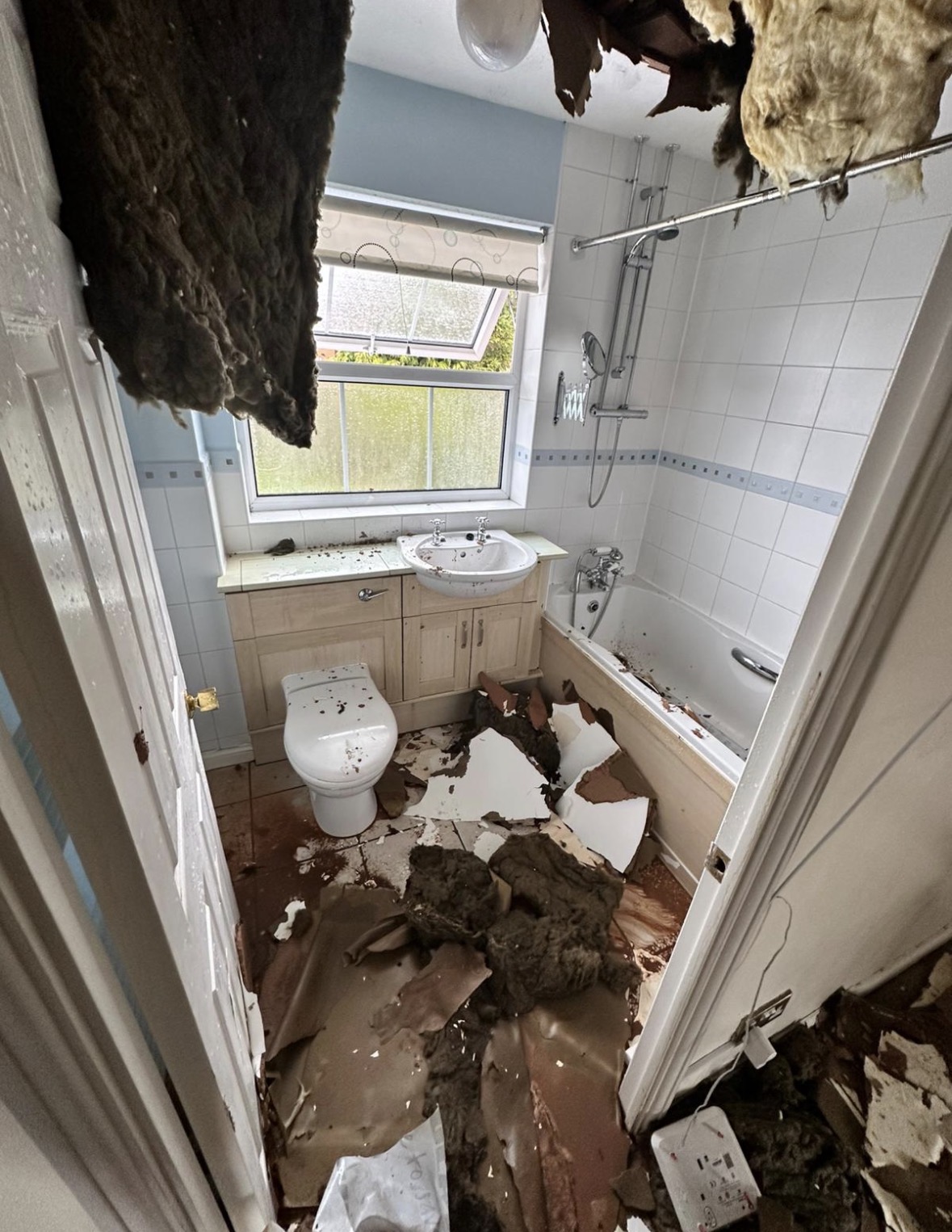
What 'escape of water' actually means
It is insurance language for water escaping from something inside the property that was supposed to contain it — pipework, heating systems, tanks, or an appliance connected to the water supply.
- A burst or split pipe, including concealed pipework under floors or in walls
- A failed joint or fitting
- A leaking radiator, heating pipe or boiler connection
- A washing machine or dishwasher hose failure
- An overflowing tank or a failed loft tank
- A leaking bathroom waste or supply pipe
It is generally distinct from flooding caused by weather or rising water, and from rainwater entering through the building fabric, which usually fall under different sections of a policy.
Why policies differ so much
Two households with the same leak can have very different outcomes because the wording, limits, exclusions and excess are set by the individual policy. Some points that commonly vary:
- Whether the policy covers buildings, contents or both
- The excess that applies to escape of water, which is often higher than the standard excess
- How long a property can be unoccupied before cover changes
- Whether gradual or long-term leaking is treated differently to a sudden failure
- Whether alternative accommodation is included if the property becomes difficult to live in
- Limits on specific items, such as high-value possessions
Resulting damage versus repairing the source
This distinction catches people out. A policy commonly pays for the damage the water caused — ceilings, plaster, flooring, decoration, contents — but not for the plumbing repair that stops the leak. The plumber's bill for replacing the failed pipe is often the homeowner's responsibility.
Trace and access
When a leak is concealed, someone has to find it, and that can mean lifting flooring or opening up a wall. Many policies include a 'trace and access' element covering the cost of that investigation and of putting right what was opened up. Limits vary, and it is worth asking your insurer directly what yours allows.
Evidence makes a difference
Insurers work from what can be shown. A clear record of the cause, the date, the areas affected and the condition of the property before clearing up is genuinely useful to everyone involved.
Worth having ready
- Photographs and video from before you started clearing up
- The date the leak was discovered and, if known, when it started
- A plumber's invoice or report describing the cause
- A list of damaged items with any receipts you still have
- Your policy number and the claim reference once issued
- Notes of who you spoke to and when
How drying documentation fits in
Where a property is dried professionally, the drying process itself produces useful records: what was found on assessment, which materials were affected, the equipment installed, and moisture readings taken through the programme.
My HomeDry can provide that documentation where appropriate, so the claim file reflects what was actually found and what was done. We do not determine liability, policy coverage or claim settlement — those decisions rest entirely with the insurer under the terms of your policy.
Contacting your insurer
Tell them early, describe the cause factually, and ask three practical questions: what excess applies, whether trace and access is included, and whether they wish to appoint their own contractor. Their answers will shape what happens next.
This guide is general property water-damage information, not financial, legal or insurance advice. Every policy differs and individual circumstances vary. Your insurer is the only party who can confirm what your policy covers.
What not to do
- Do not throw damaged items away before they have been recorded and your insurer has confirmed their position.
- Do not start major strip-out or repairs before speaking to your insurer if you intend to claim.
- Do not guess about the cause in writing — describe what you saw.
- Do not assume a claim will be declined without asking; equally, do not assume it will be accepted.
Common questions
How My HomeDry can help
Related guides
- What information should you keep after water damage?A practical record-keeping checklist — photographs, dates, reports, receipts and correspondence, organised as a simple timeline.
- What to do after a burst pipeA calm, practical order of actions for the first hour — stopping the water, staying safe and recording what happened.
- What actually happens during structural drying?The full process explained step by step — inspection, assessment, extraction, equipment, monitoring and completion.
This guide provides general property water-damage information from My HomeDry. Individual circumstances differ, and it is not financial, legal or insurance advice. Where an insurance claim is involved, decisions on liability, policy coverage and settlement rest with the insurer under the terms of the individual policy.