

Emergency response
Water damage emergency? Call My HomeDry now
If a pipe has burst, water is entering the property or damage is spreading, call My HomeDry immediately. We can discuss the incident, establish the appropriate next step and arrange assessment and drying support.
- Emergency safety guidance below
- West Midlands coverage, wider Midlands considered
- Residential & commercial support
- Insurance & loss-adjuster liaison
Emergency checklist
- 1Stop the water supply where safe.
- 2Keep away from affected electrics.
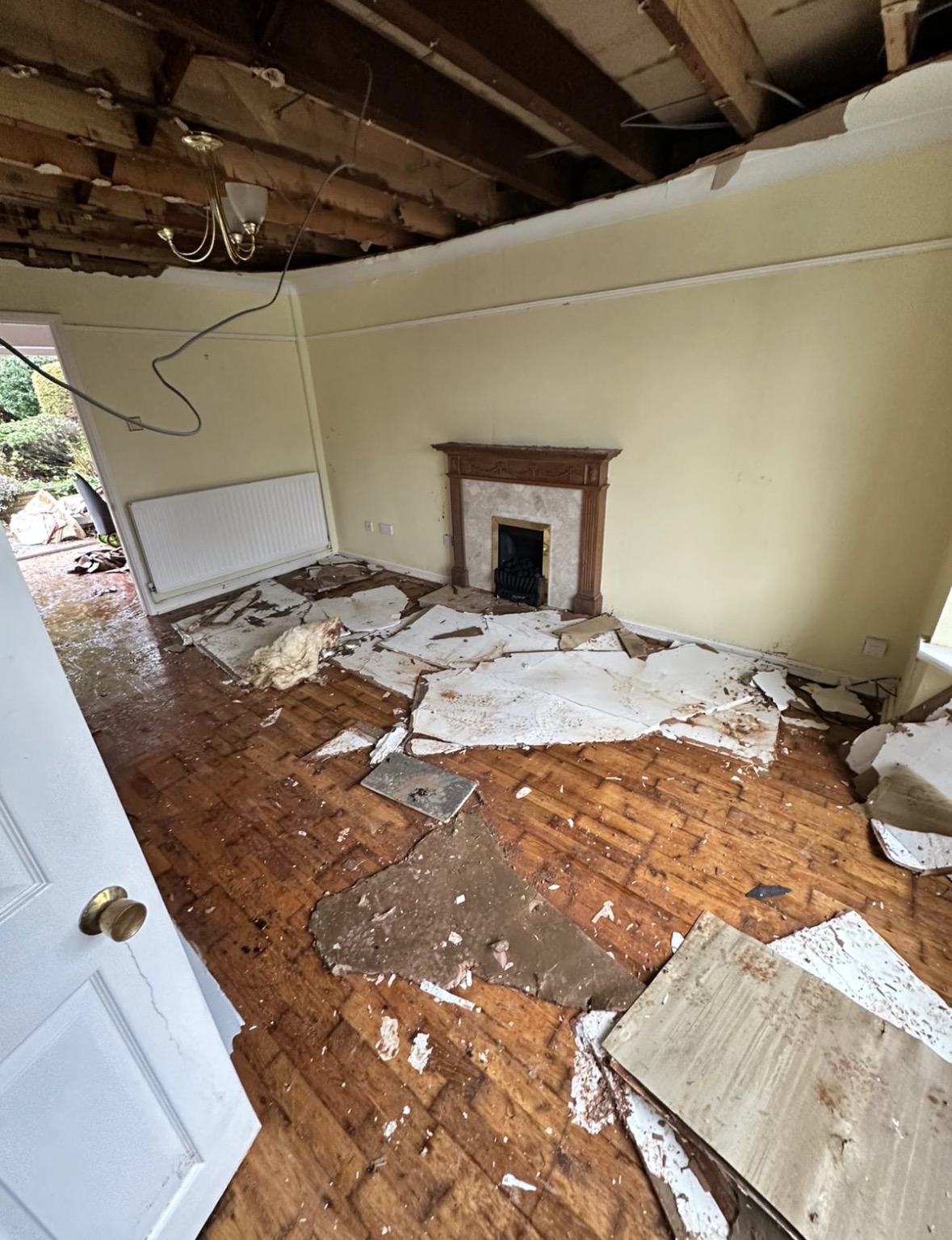
- 3Do not stand beneath a sagging or unsafe ceiling.
- 4Arrange repair of the leaking pipe or source.
- 5Call My HomeDry.
What happens after the initial call
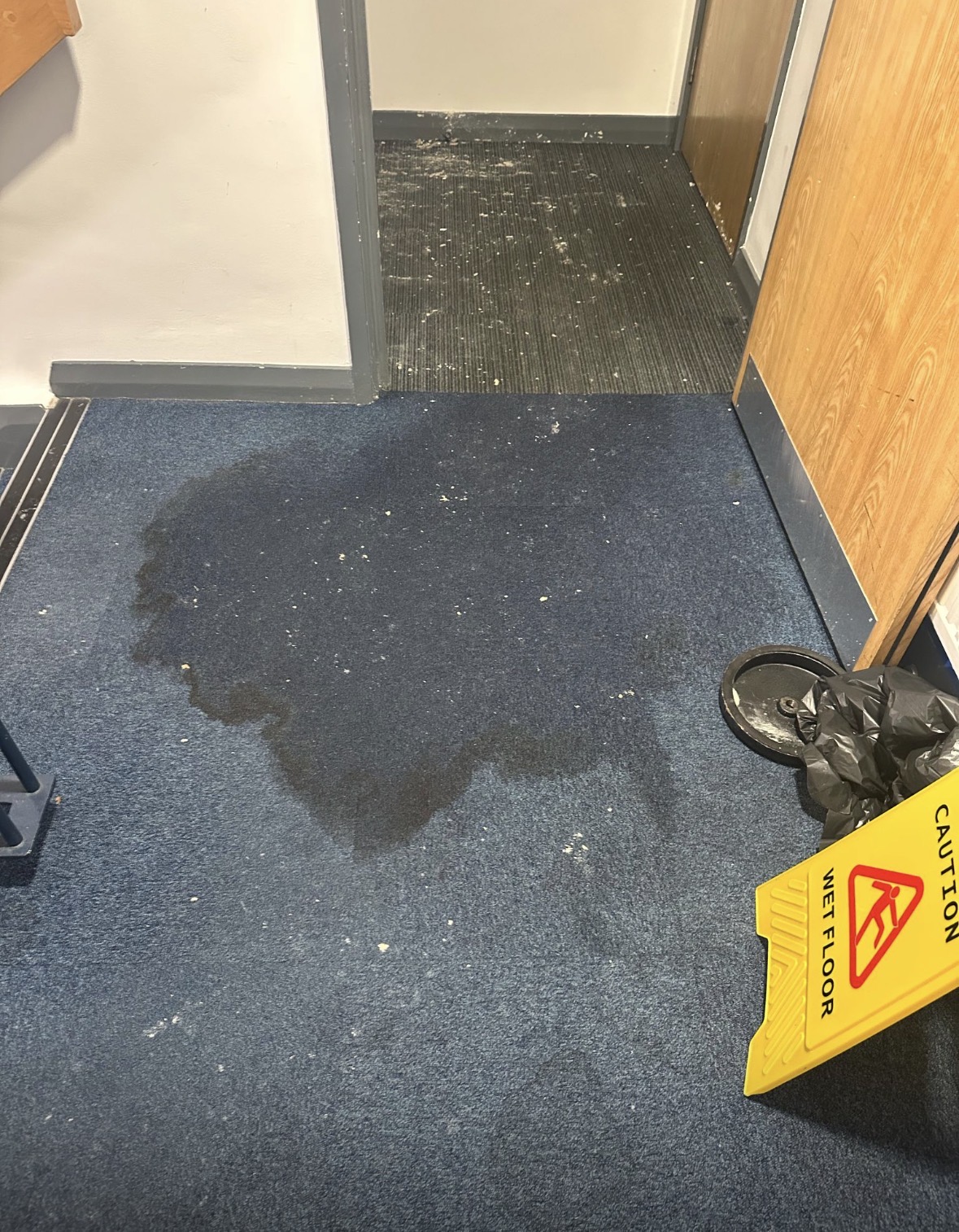
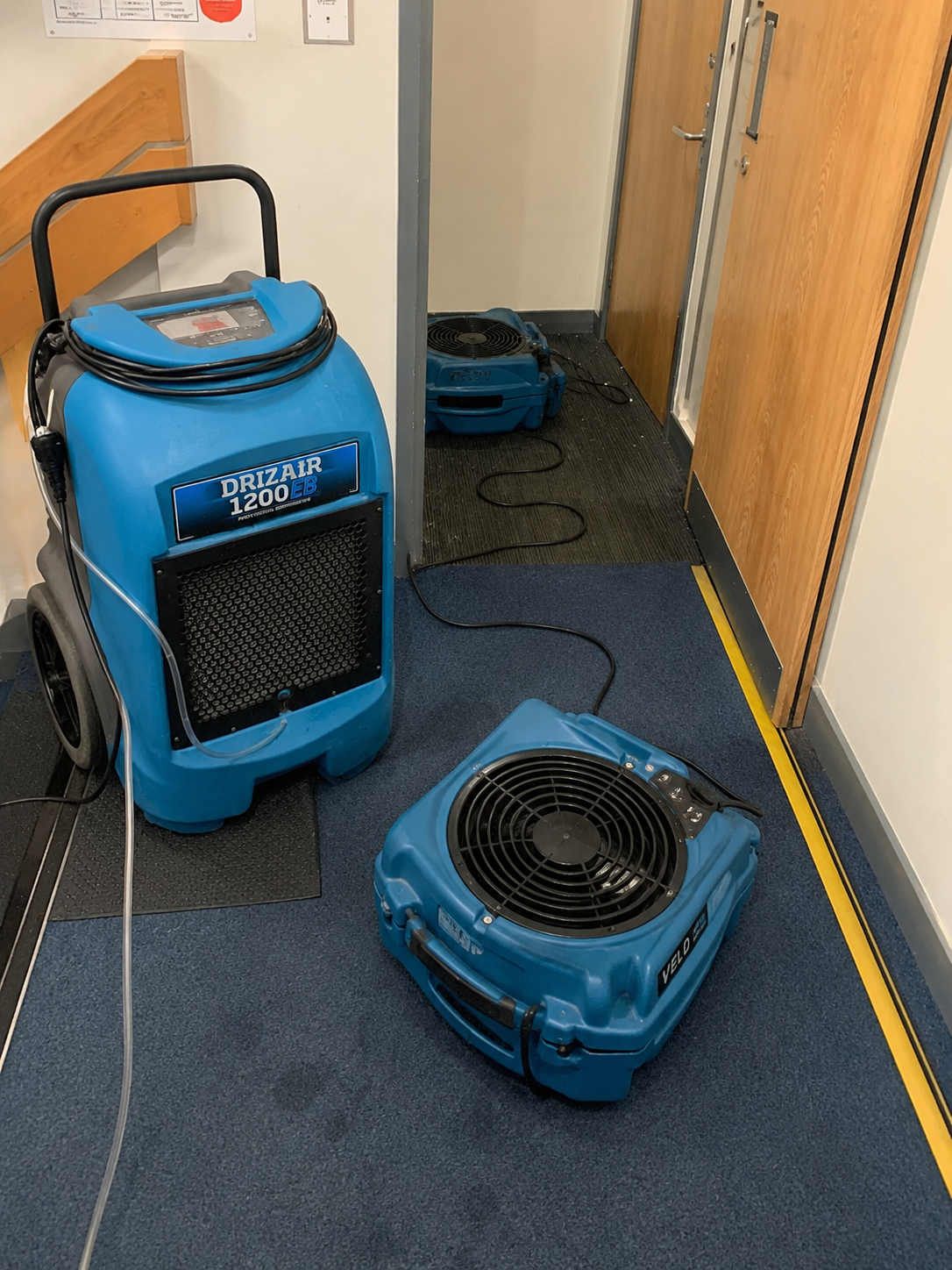
After the source has been controlled, the next stage may involve water extraction, removal of unsafe materials, moisture assessment and the installation of professional drying equipment.
Water damage happening now?
Call My HomeDry — we can talk it through and arrange next steps.
Common emergencies
Jump straight to the most relevant service page.
If lines are busy
Short callback form
Calling is always fastest — but leave details here if you cannot get through.
Frequently asked questions
Water damage happening now?
Call My HomeDry — we can talk it through and arrange next steps.
Proof of work
Recent emergency water damage responses
Examples of emergency attendance, extraction and controlled drying.
Escape of Water (EOW)
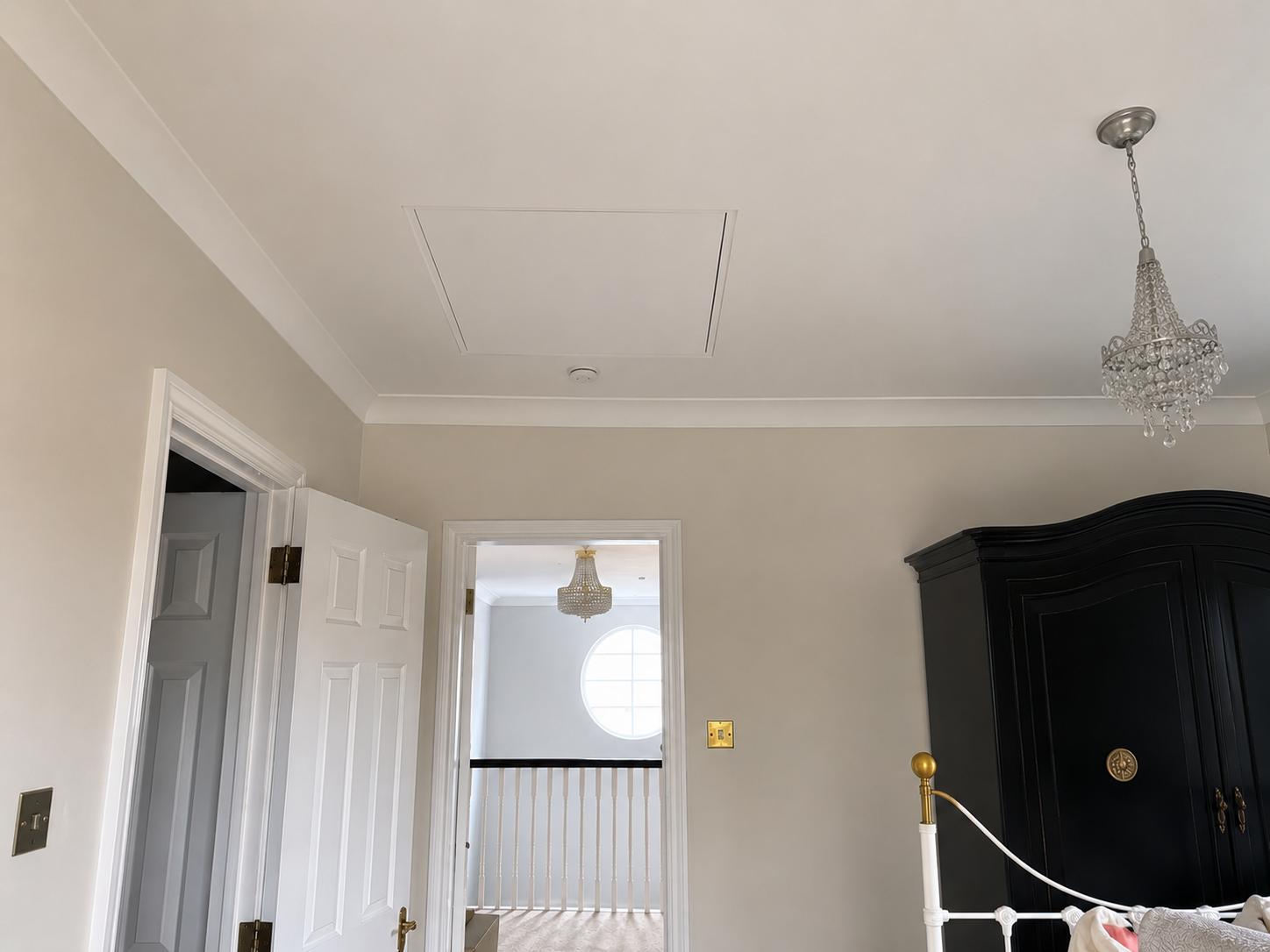
Winter Loft Pipe Failure — Bedroom Structural Drying
A frozen loft pipe failed while the family was away, saturating insulation and collapsing part of the bedroom ceiling below. My HomeDry dried, reboarded, plastered and redecorated the room in full.
Escape of Water
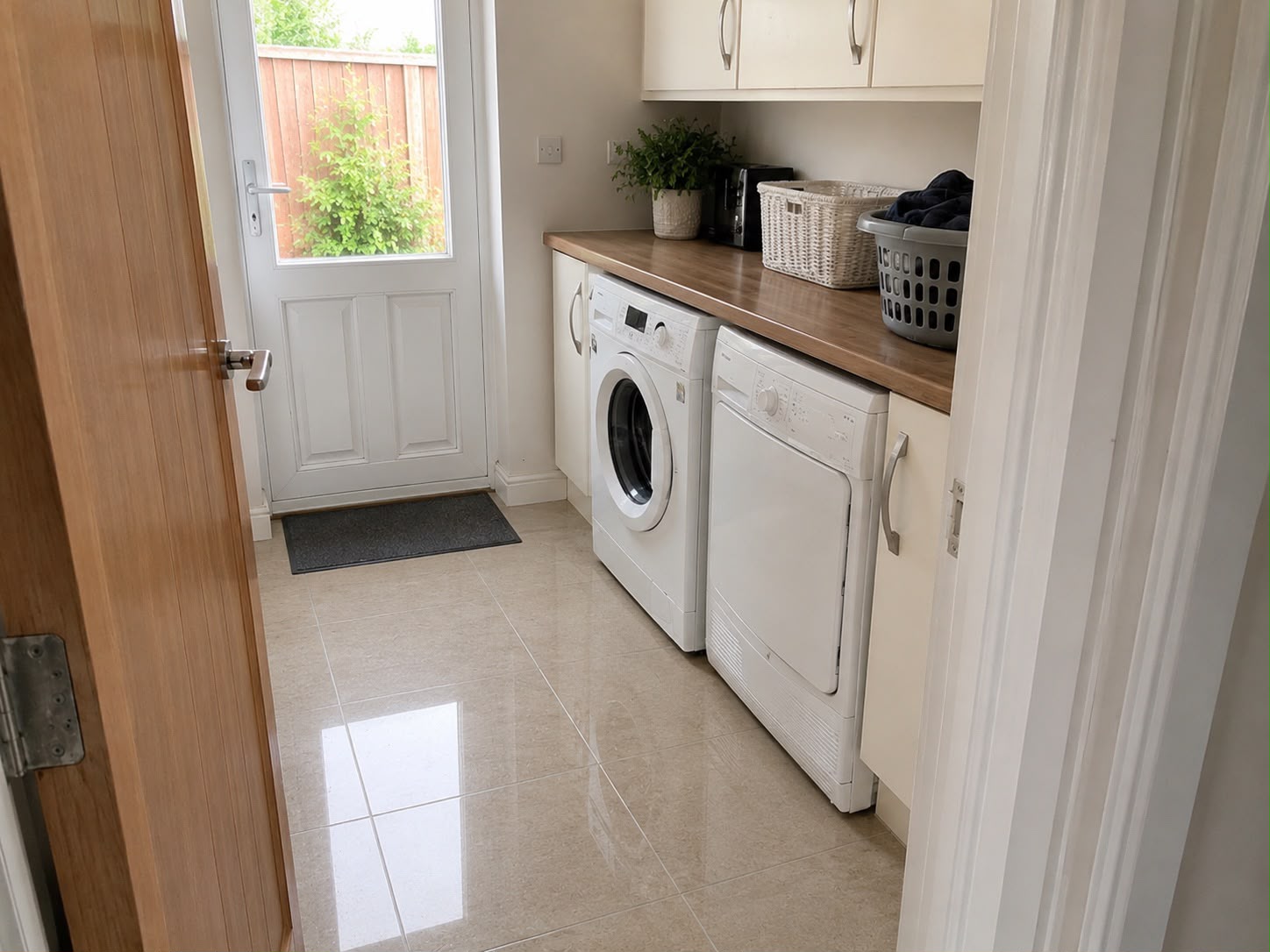
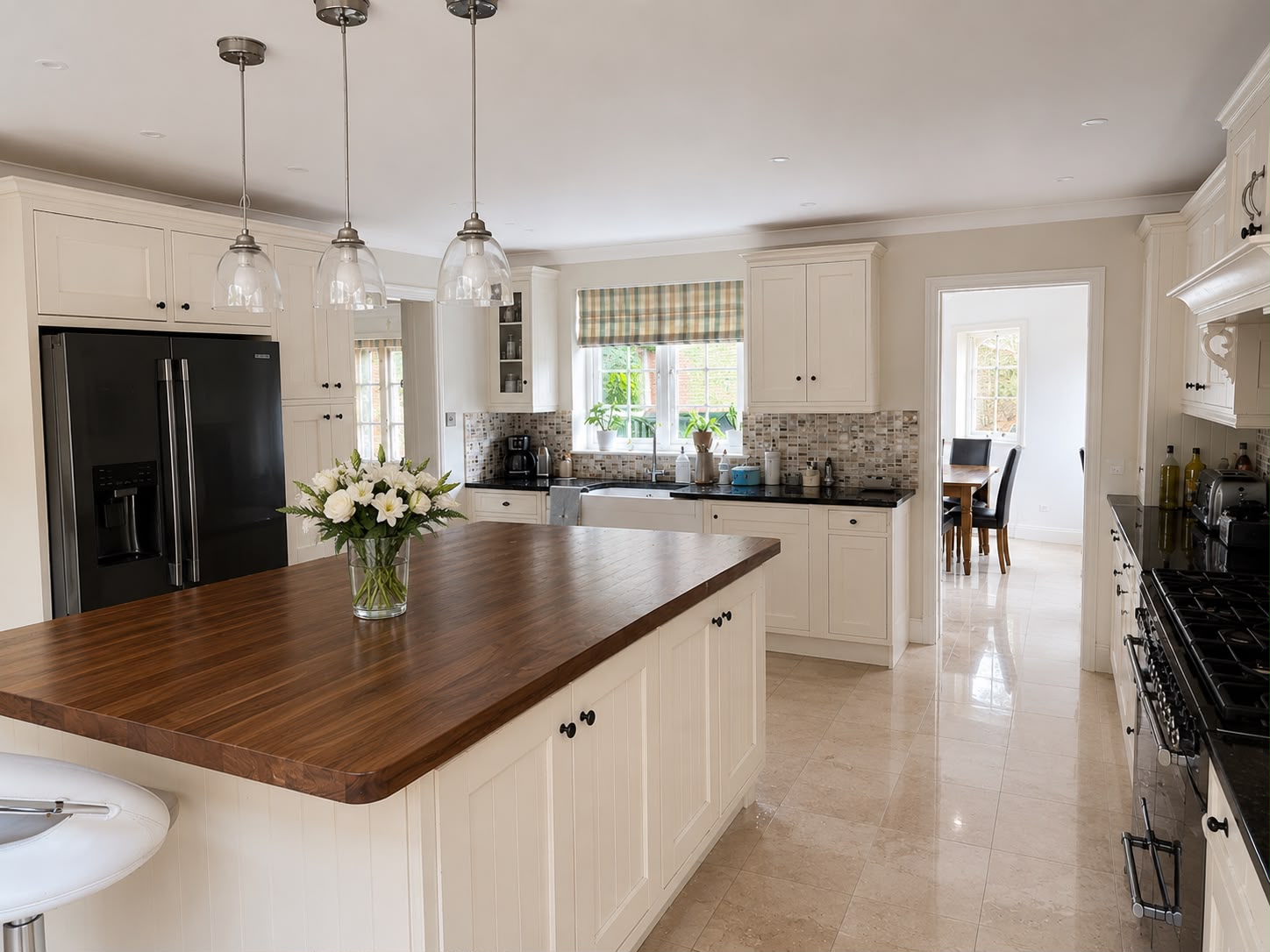
Washing Machine Hose Failure — Utility & Kitchen
Homeowners returned to find their ground floor flooded after a washing machine inlet hose failed. Prompt emergency extraction and controlled drying restored both rooms to pre-loss condition.
Escape of Water (EOW)
First-Floor Bathroom Leak — Kitchen Restoration
A concealed leak beneath a first-floor bath collapsed sections of the kitchen ceiling below. My HomeDry stabilised the property, dried the affected structure and fully reinstated the kitchen.