
Water Extraction After Water Damage
Water extraction removes free-standing water and water that can be mechanically recovered from affected surfaces or materials. It is an immediate mitigation step, not the complete drying process.
After extraction, moisture can remain inside screed, plaster, timber, insulation, floor layers and wall systems. My HomeDry assesses what can be removed safely, records the affected area and plans the structural drying that follows.
Extraction versus structural drying
Extraction deals with recoverable water. Structural drying addresses moisture retained within building materials after the visible water has gone.
Different surfaces require different decisions
Hard floors, carpets, underlay, voids and fitted areas cannot all be treated in the same way. The method depends on contamination, condition, access and whether the material can reasonably be retained.
Contamination must be assessed
Water category and hygiene risk affect PPE, retention and disposal decisions. My HomeDry should not be assumed to handle sewage or heavily contaminated water unless that capability has been specifically confirmed for the instruction.
Discuss this situation with My HomeDry
Call with the property postcode, source of water and areas affected.
Frequently asked questions
Helpful guides
Proof of work
Related case studies
Completed projects involving this type of water damage.
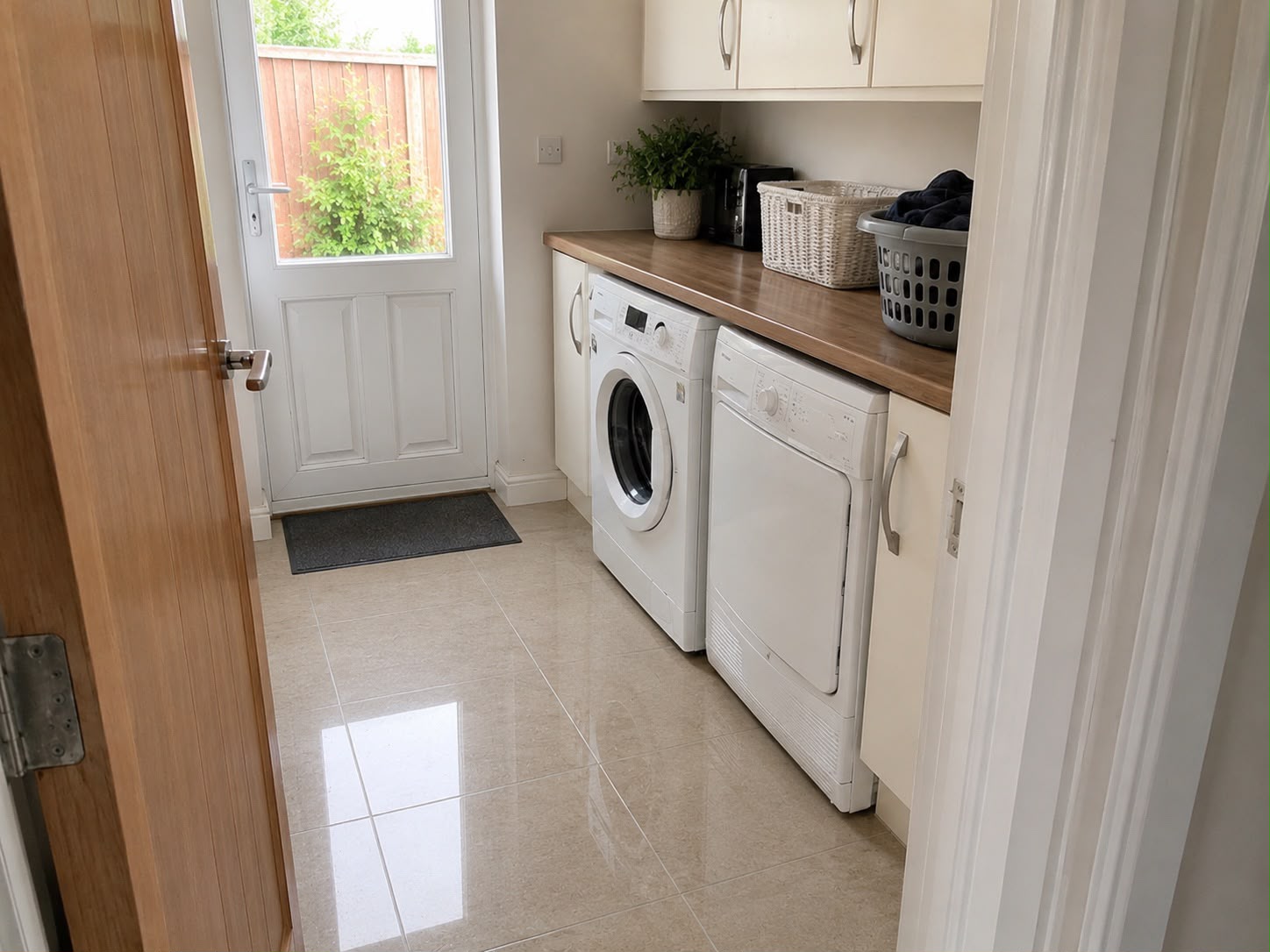
Escape of Water
Washing Machine Hose Failure — Utility & Kitchen
Homeowners returned to find their ground floor flooded after a washing machine inlet hose failed. Prompt emergency extraction and controlled drying restored both rooms to pre-loss condition.
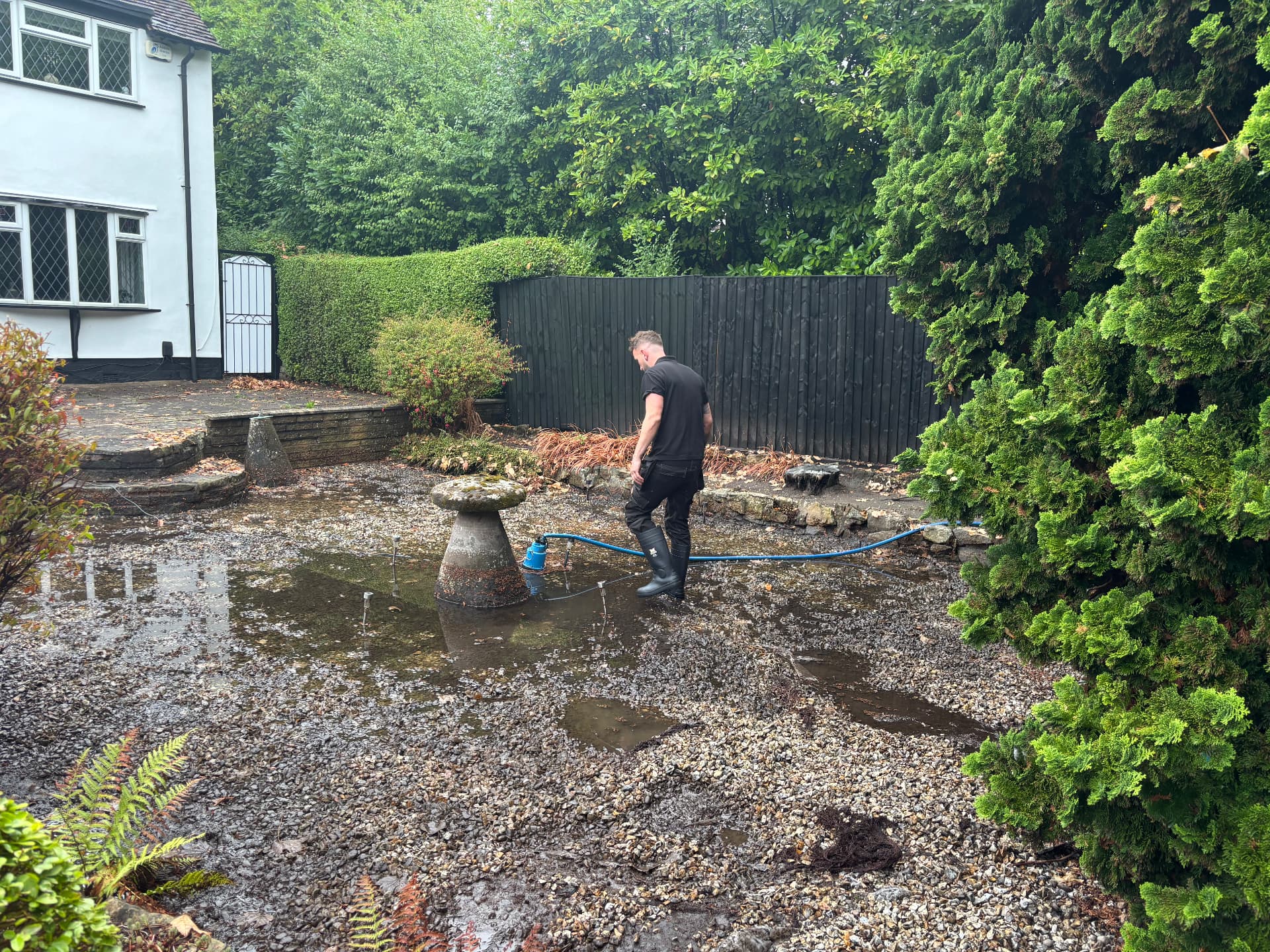
External water accumulation
Emergency Garden Flood Water Extraction — Sutton Coldfield
Significant water accumulation across a residential front garden. A submersible pumping system and controlled discharge route removed a substantial volume of standing water from around the property.
Read the case studyWhere My HomeDry works
My HomeDry is based in Sutton Coldfield and provides specialist water damage restoration and structural drying primarily across the West Midlands. Commercial, managed-property and insurance-related instructions are also considered more widely across the Midlands. Attendance depends on the property location, incident requirements and current operational capacity.
Standing water in the property?
Call 07815 622384. Do not enter water where electrical equipment or circuits may be affected.