

Residential Water Damage Drying
This is the technical service page for drying a home. If you are at the start of an incident and want to know what happens first, the homeowners and landlords hub is the better starting point.
Water damage in a home can affect far more than the visible surface. Plaster, plasterboard, flooring, insulation, timber and fitted units may retain moisture after the leak has been repaired and the room appears dry.
My HomeDry assesses the affected building materials, records moisture conditions and creates a proportionate drying programme for houses, flats, HMOs and rental properties. The aim is to protect materials that can reasonably be retained while identifying areas that need access or removal.
How water affects a home
Water can move between rooms, floors and adjoining properties. A leak in a bathroom may affect the ceiling below, while an appliance leak can travel beneath kitchen units and floor finishes before becoming visible.
Living with drying equipment
Dehumidifiers and air movers can produce warmth and noise and may need to run continuously. Equipment positions should not be changed without agreement because airflow and collection are planned around the affected materials.
Homeowner, landlord and tenant coordination
The person instructing the work should confirm access, authority and the main contact. In rented properties, decisions about contents, repairs and insurance communication may involve the landlord, tenant, letting agent and insurer.
Discuss this situation with My HomeDry
Call with the property postcode, source of water and areas affected.
Frequently asked questions
Helpful guides
- What actually happens during structural drying?The full process explained step by step — inspection, assessment, extraction, equipment, monitoring and completion.
- How long does a house take to dry after a leak?Why there is no single answer, what actually changes the timescale, and why 'it feels dry' is not the same as dry.
Proof of work
Related case studies
Completed projects involving this type of water damage.
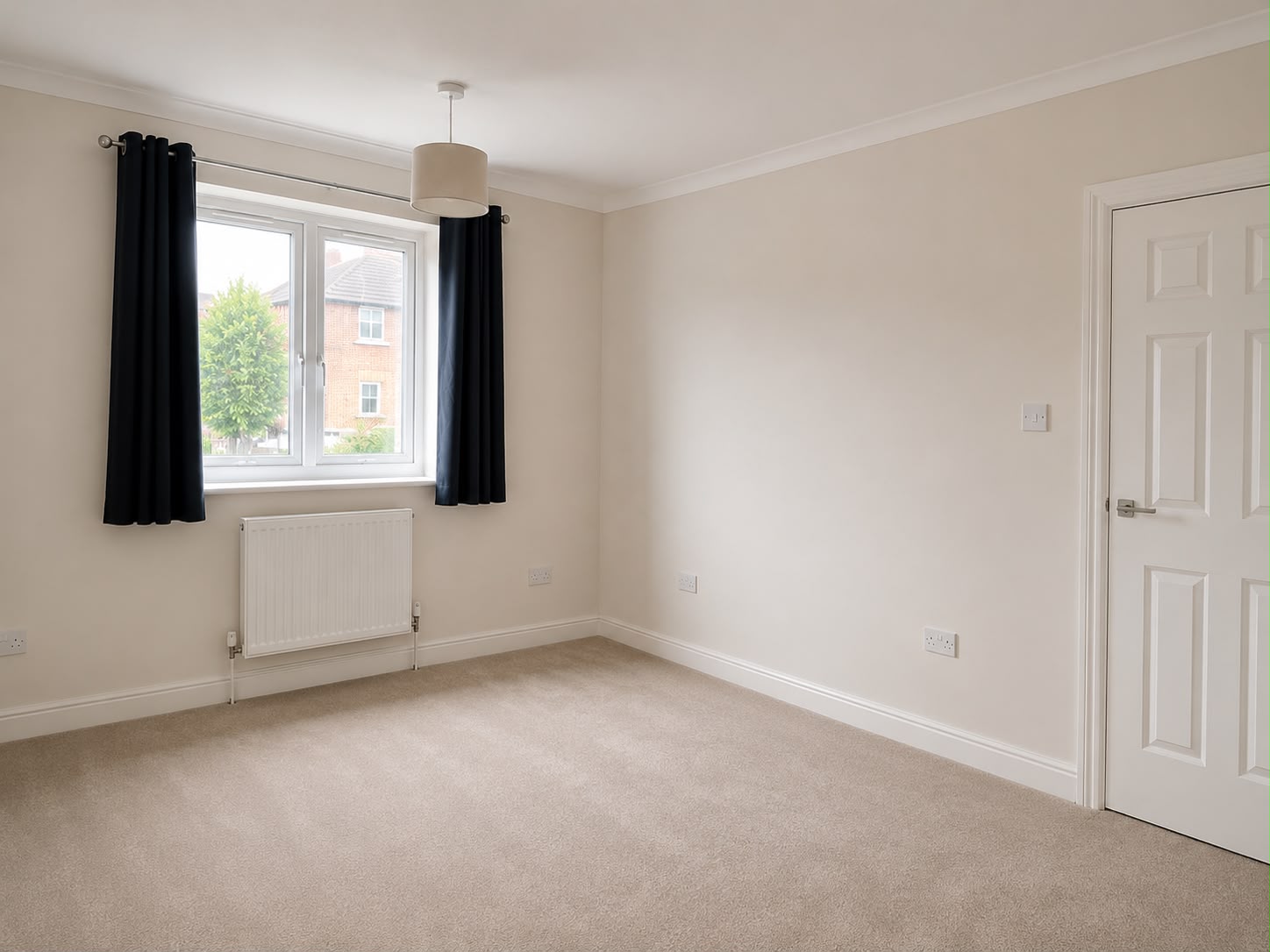
Escape of Water (EOW)
Escape of Water Restoration — Residential Bedroom
A concealed escape of water above a first-floor bedroom ceiling. Structural drying and full reinstatement returned the room to its pre-loss condition with no visible evidence of the loss.
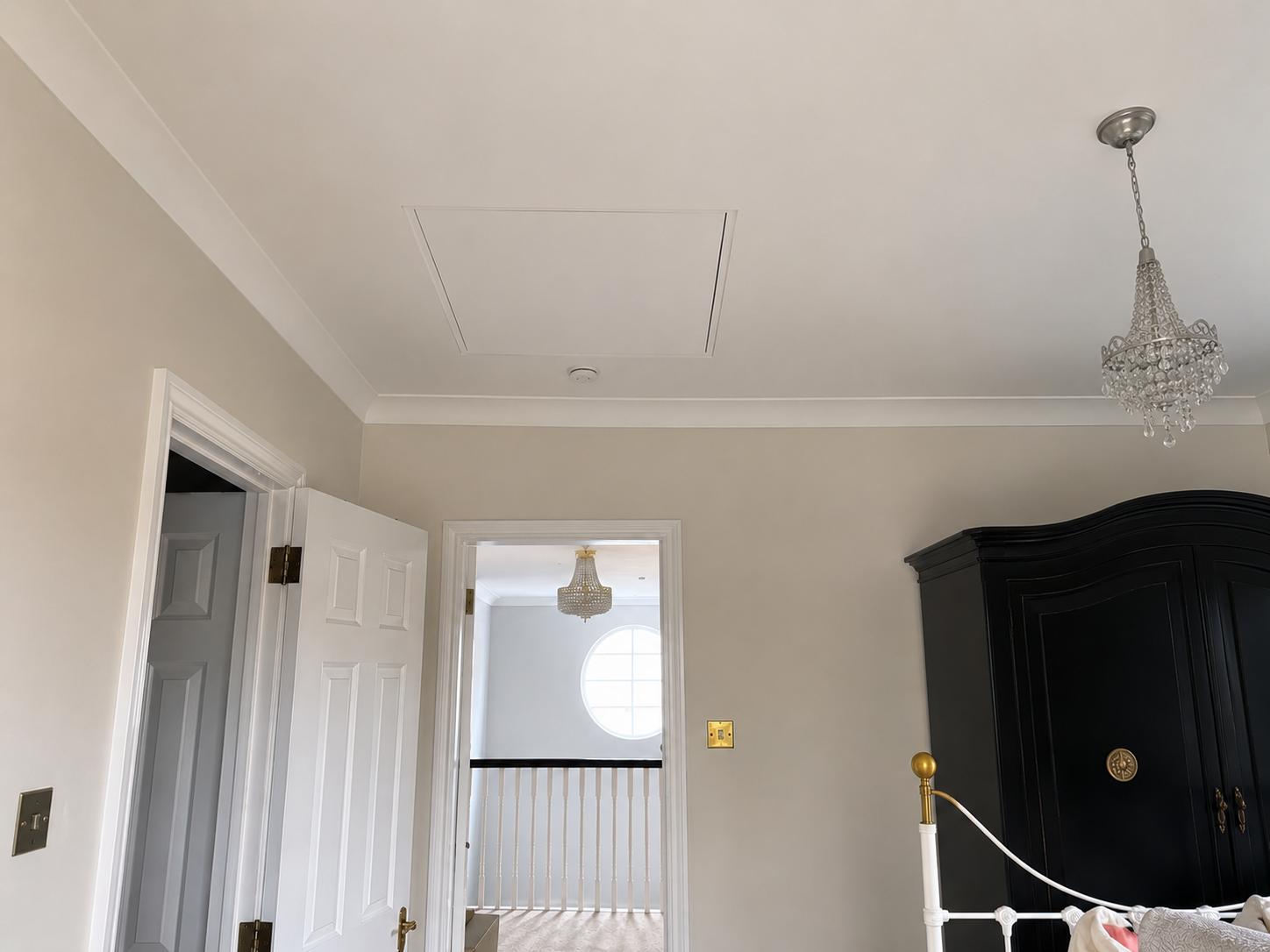
Escape of Water (EOW)
Winter Loft Pipe Failure — Bedroom Structural Drying
A frozen loft pipe failed while the family was away, saturating insulation and collapsing part of the bedroom ceiling below. My HomeDry dried, reboarded, plastered and redecorated the room in full.
Where My HomeDry works
My HomeDry is based in Sutton Coldfield and provides specialist water damage restoration and structural drying primarily across the West Midlands. Commercial, managed-property and insurance-related instructions are also considered more widely across the Midlands. Attendance depends on the property location, incident requirements and current operational capacity.
Need help drying a home or rental property?
Call My HomeDry or request an urgent callback with the property postcode and a short description of the incident.